

Chinese Conversation · Level 18
90 words
Search Chinese words by characters, pinyin or English meaning.
Dictionaries
Quick links
Browse
 MotiSpiOfficial conversation app

Chinese word
Pinyinqiáng
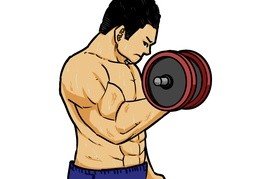
他很强。tā hěn qiáng
He is very strong.
比赛中,对手比他更强。bǐ sài zhōng duì shǒu bǐ tā gèng qiáng
In the competition, his opponent is stronger than him.
A force that holds its ground, overcomes resistance, and handles difficult demands.
很强hěn qiáng
very strong
对手很强duì shǒu hěn qiáng
a very strong opponent
越来越强yuè lái yuè qiáng
getting stronger and stronger
强大qiáng dà: Having great power and influence across a wide area or group.
强壮qiáng zhuàng: Having a sturdy, healthy body with strong muscles and good physical energy.
坚强jiān qiáng: Having firm inner strength and the ability to recover from setbacks.
在身体、能力或影响力等方面表现出较大的力量或优势,能抵抗外力或完成困难的事。zài shēn tǐ néng lì huò yíng xiǎng lì děng fāng miàn biǎo xiàn chū jiào dà de lì liàng huò yōu shì néng dǐ kàng wài lì huò wán chéng kùn nán de shì
The word 强 (qiáng, "strong") grew from physical force to cover the strength of ability, resistance, and influence.