


English–Chinese
“passive” in Chinese
Chinese
Pronunciation
Pinyinbèi dòng
Example
他在工作上很被动。tā zài gōng zuò shàng hěn bèi dòng
He is very passive at work.
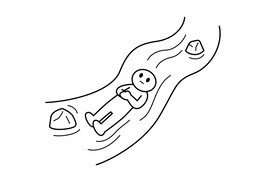
How to say “passive” in Chinese
“Passive” in Chinese is 被动 (bèi dòng).
Action begins only when an outside force or another person sets it in motion.
Example sentences with 被动
在团队讨论中,他总是被动,很少自己发言。zài tuán duì tǎo lùn zhōng tā zǒng shì bèi dòng hén shǎo zì jǐ fā yán
In team discussions, he is always passive and rarely speaks up on his own.
Tips for using 被动
- English often uses passive mainly for grammar, but this Chinese word also describes a person's conduct or a situation in everyday conversation.