

Chinese Conversation · Level 31
90 words
Search Chinese words by characters, pinyin or English meaning.
Dictionaries
Quick links
Browse
 MotiSpiOfficial conversation app

Chinese word
Pinyinbèi dòng
他在工作上很被动。tā zài gōng zuò shàng hěn bèi dòng
He is very passive at work.
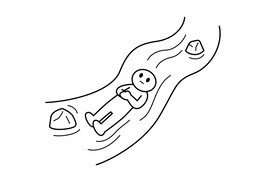
在团队讨论中,他总是被动,很少自己发言。zài tuán duì tǎo lùn zhōng tā zǒng shì bèi dòng hén shǎo zì jǐ fā yán
In team discussions, he is always passive and rarely speaks up on his own.
Action begins only when an outside force or another person sets it in motion.
被动态度bèi dòng tài dù
passive attitude
被动性格bèi dòng xìng gé
passive personality
被动反应bèi dòng fǎn yìng
passive reaction
主动zhǔ dòng: Starting action willingly and taking the lead in influencing people or situations.
消极xiāo jí: Showing little interest or motivation, with weak action and slow responses.
被迫bèi pò: Forced by outside circumstances to act without freely choosing to do so.
顺从shùn cóng: Following other people's wishes and avoiding personal opinions or demands.
表示不发起行动、由外界力量或他人推动而产生的被动性质或处境。biǎo shì bù fā qǐ xíng dòng yóu wài jiè lì liàng huò tā rén tuī dòng ér chǎn shēng de bèi dòng xìng zhì huò chǔ jìng
被动 (bèidòng, "passive") combines 被 (bèi, "be acted on") with 动 (dòng, "move"), presenting movement that comes from outside rather than from the subject.