


English–Chinese
“occupy” in Chinese

How to say “occupy” in Chinese
“Occupy” in Chinese is 占 (zhàn).
Sets a boundary around what is claimed, whether it is a share, a territory, a possession, or an answer from signs.
Example sentences with 占
这家公司占了本地市场。zhè jiā gōng sī zhàn le běn dì shì chǎng
This company occupies the local market.
Tips for using 占
- In news and school subjects, this verb often appears with numbers, fractions, or words for shares, signaling that one part is being compared with a whole.
Other Chinese words for “occupy”
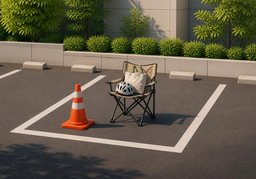
这个停车位被别人占用了。zhè ge tíng chē wèi bèi bié rén zhàn yòng le
This parking space is occupied by someone else.

有人在门口侵占了车位。yǒu rén zài mén kǒu qīn zhàn le chē wèi
Someone occupied a parking space at the entrance.
书占据了房间的一半。shū zhàn jù le fáng jiān de yí bàn
Books occupy half the room.

占领了这座城市。zhàn lǐng le zhè zuò chéng shì
This city was occupied.