


English–Chinese
“force” in Chinese

How to say “force” in Chinese
“Force” in Chinese is 迫使 (pò shǐ).
External pressure closes off the easy choices and makes a person act or change plans.
Example sentences with 迫使
丑闻曝光后,舆论迫使他公开道歉。chǒu wén bào guāng hòu yú lùn pò shǐ tā gōng kāi dào qiàn
After the scandal came to light, public opinion forced him to apologize publicly.
Tips for using 迫使
- A common sentence pattern places the affected person after the verb and the required action after that, clearly separating the pressure, the person, and the response.
Other Chinese words for “force”

公司逼他辞职。gōng sī bī tā cí zhí
The company forced him to resign.
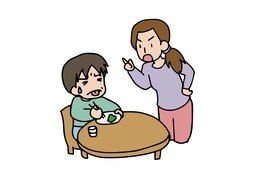
公司不能强制你周末加班。gōng sī bù néng qiáng zhì nǐ zhōu mò jiā bān
The company cannot force you to work overtime on weekends.

他被公司强迫加班。tā bèi gōng sī qiǎng pò jiā bān
He was forced to work overtime by the company.

武力不能解决冲突。wǔ lì bù néng jiě jué chōng tū
Force cannot resolve conflicts.

他讲话很有气势。tā jiǎng huà hěn yǒu qì shì
He speaks with great force.

别让家人逼迫你结婚。bié ràng jiā rén bī pò nǐ jié hūn
Don't let your family force you to get married.