

HSK · Level 17
135 words
Search Chinese words by characters, pinyin or English meaning.
Dictionaries
Quick links
Browse
 MotiSpiOfficial conversation app

Chinese word
Pinyinwǔ lì
武力不能解决冲突。wǔ lì bù néng jiě jué chōng tū
Force cannot resolve conflicts.
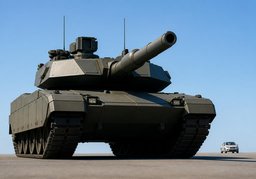
国际冲突应优先通过谈判避免升级为武力对抗。guó jì chōng tū yīng yōu xiān tōng guò tán pàn bì miǎn shēng jí wèi wǔ lì duì kàng
International conflicts should first be prevented from escalating into armed confrontation through negotiations.
Power that compels or deters through armed forces, weapons, or military action.
武力行使wǔ lì xíng shǐ
use of force
武力对抗wǔ lì duì kàng
armed confrontation
武力优势wǔ lì yōu shì
military superiority
暴力bào lì: Physical force used to cause another person bodily harm.
军力jūn lì: The combined combat strength held by a country or military.
军队jūn duì: A military organization made up of soldiers and units.
用军队、武器或军事手段对他方实施强制或威慑的力量。yòng jūn duì wǔ qì huò jūn shì shǒu duàn duì tā fāng shí shī qiáng zhì huò wēi shè de lì liàng
武力 (wǔlì, "military force") combines 武 (wǔ, "martial") with 力 (lì, "power"), making its meaning a power imposed or threatened through weapons and armed forces.