

Korean Conversation · Level 248
15 words
Search Korean words by Hangul, romanization or English meaning.
Dictionaries
Quick links
Browse
 MotiSpiOfficial conversation app

Korean word
Romanizationsiljjeung
나는 그 일에 싫증이 났다.na neun keu i re sil jjeung i nat tta
I got bored with that work.
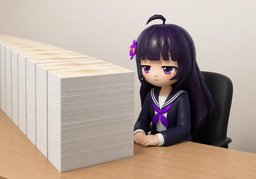
그는 반복되는 일에 금세 싫증을 낸다.keu neun pan bok ttoe neun i re keum se sil jjeung eul naen da
He quickly gets bored with repetitive work.
A familiar activity no longer holds the mind, so continued involvement feels unwanted rather than enjoyable.
싫증을 느끼다sil jjeung eul neu kki da
experience boredom
싫증을 참다sil jjeung eul cham tta
endure boredom
지루함chiruham: An unchanging situation can make time drag and bring on boredom.
지겨움chigyeoum: Repetition or a long wait can make an experience feel tiresome.
질림chillim: Repeated exposure can make a person fed up and unwilling to tolerate more.
짜증jjajeung: A minor irritation can build into an angry, impatient reaction.
어떤 대상이나 활동에 대해 흥미가 사라져 더 이상 관심을 두지 않는 상태.eo tteon tae sang i na hwal dong e tae hae heung mi ga sa ra jeo teo i sang kwan si meul tu ji an neun sang tae
싫 (sil, "dislike") joins 증 (cheung, "state") to name the condition in which interest fades and an activity becomes unwanted.