

Korean Conversation · Level 271
15 words
Search Korean words by Hangul, romanization or English meaning.
Dictionaries
Quick links
Browse
 MotiSpiOfficial conversation app

Korean word
Romanizationsiljjeungnada
같은 음식만 먹어서 싫증이 났어요.ka teun eum sing man meo geo seo sil jjeung i na sseo yo
I got tired of eating the same food all the time.
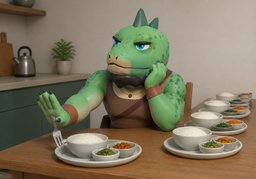
새 취미가 생겨서 예전 취미에는 싫증나지 않아요.sae chwi mi ga saeng gyeo seo ye jeon chwi mi e neun sil jjeung na ji a na yo
Because I have taken up a new hobby, I don't get tired of my old hobby.
Interest fades after something is experienced too often, leaving a wish to avoid it.
연애에 싫증나다yeo nae e sil jjeung na da
get tired of dating
늘 같은 말에 싫증나다neul ka teun ma re sil jjeung na da
get tired of the same old talk
일상에 싫증나다il sang e sil jjeung na da
get tired of the daily routine
질리다chillida: Repeated contact makes a once-enjoyable thing feel stale and tiresome.
싫어지다sireojida: Positive feelings toward someone or something slowly change into dislike.
지치다chichida: Continued work or activity uses up energy and weakens the desire to carry on.
계속 접하거나 과도하게 경험한 대상에 대해 흥미가 떨어져 하기 싫어지거나 회피하려는 상태가 되다kye sok cheo pa geo na kwa do ha ge kyeong heom han tae sang e tae hae heung mi ga tteo reo jeo ha gi si reo ji geo na hoe pi ha ryeo neun sang tae ga toe da
The form combines 싫증 (silcheung, "boredom or aversion") with 나다 (nada, "to arise"), describing aversion that develops after repeated exposure.