

Japanese Conversation · Level 75
75 words
Search Japanese words as written, in romaji or by English meaning.
Dictionaries
Quick links
Browse
 MotiSpiOfficial conversation app

Japanese word
Romajikōreisha
その高齢者は毎朝散歩します。so no kō rei sha wa mai asa san po shi ma su
That elderly person takes a walk every morning.
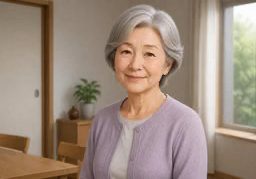
この地域では、高齢者の一人暮らしが増えています。ko no chi iki de wa kō rei sha no hito ri gu ra shi ga fu e te i ma su
In this area, the number of elderly people living alone is increasing.
It refers to someone whose age places them among the older members of a population, without specifying their health or abilities.
高齢者施設kō rei sha shi setsu
facilities for elderly people
高齢者福祉kō rei sha fuku shi
elderly welfare
高齢者介護kō rei sha kai go
elderly care
高齢者向けサービスkō rei sha mu ke sā bi su
services for elderly people
高齢者住宅kō rei sha jū taku
housing for elderly people
お年寄りotoshiyori: A respectful term for a person in the older age group, especially in everyday conversation.
老人rōjin: A direct term for a person considered old, used in social, institutional, and written contexts.
年寄りtoshiyori: An informal term for an older person that can carry a rough or dismissive tone.
年齢を重ね、老年の世代に属する人。nen rei o kasa ne rō nen no se dai ni zoku su ru hito
高齢者 (kōreisha) is a Sino-Japanese compound of 高 (kō, "high"), 齢 (rei, "age"), and 者 (sha, "person").