

Japanese Conversation · Level 29
90 words
Search Japanese words as written, in romaji or by English meaning.
Dictionaries
Quick links
Browse
 MotiSpiOfficial conversation app

Japanese word
Romajiganko
彼はとても頑固です。kare wa to te mo gan ko de su
He is very stubborn.
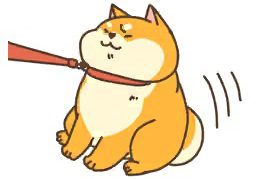
父は古い方法に頑固にこだわっています。chichi wa furu i hō hō ni gan ko ni ko da wa tte i ma su
My father stubbornly sticks to the old method.
Refers to an attitude that stays firmly fixed even when circumstances or other people's opinions suggest a change.
頑固な人gan ko na hito
stubborn person
頑固な性格gan ko na sei kaku
stubborn personality
頑固な態度gan ko na tai do
stubborn attitude
頑固に言い張るgan ko ni i i ha ru
insist stubbornly
強情gōjo: Refusing to yield or accept another person's view even when persuasion is used.
かたくなkatakuna: Maintaining a closed attitude and resisting advice, requests, or change.
頑迷ganmei: Rejecting new ideas or changes because of rigid beliefs.
意固地ikoji: Holding to a decision or opinion stubbornly after it has become unreasonable.
自分の意見や態度を固く守り、周囲の働きかけによっても改めようとしないさま。ji bun no i ken ya tai do o kata ku mamo ri shū i no hatara ki ka ke ni yo tte mo arata me yō to shi na i sa ma
頑固 (ganko, "stubborn") is a Sino-Japanese compound of 頑 (gan, "stubborn") and 固 (ko, "firm"), expressing the sense of being fixed in one's position.