

Japanese Conversation · Level 69
75 words
Search Japanese words as written, in romaji or by English meaning.
Dictionaries
Quick links
Browse
 MotiSpiOfficial conversation app

Japanese word
Romajisunao
その子は素直です。so no ko wa su nao de su
That child is obedient.
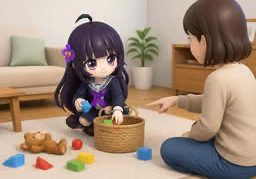
間違いを認めて、素直に謝ります。ma chiga i o mito me te su nao ni ayama ri ma su
I admit my mistake and apologize honestly.
It describes a person who responds without resistance and expresses thoughts or feelings in an open, unforced way.
素直な子su nao na ko
an obedient child
素直に受け入れるsu nao ni u ke i re ru
accept obediently
素直に謝るsu nao ni ayama ru
apologize sincerely
従順jūjun: Follows advice or instructions willingly and without opposition.
正直shōjiki: Deals with others openly by telling the truth and showing genuine feelings.
率直sotchoku: States thoughts and feelings clearly without hiding or softening them.
人の言うことを逆らわずに受け入れ、気持ちや態度を飾らずに表すさま。hito no i u ko to o saka ra wa zu ni u ke i re ki mo chi ya tai do o kaza ra zu ni arawa su sa ma
As a native Japanese word, 素直 (sunao) combines 素 (su, "plain") and 直 (nao, "straight"), describing behavior that is plain and straight.