

JLPT · Level 74
45 words
Search Japanese words as written, in romaji or by English meaning.
Dictionaries
Quick links
Browse
 MotiSpiOfficial conversation app

Japanese word
Romajimiburi
彼は身振りを交えて話します。kare wa mi bu ri o maji e te hana shi ma su
He speaks with gestures.
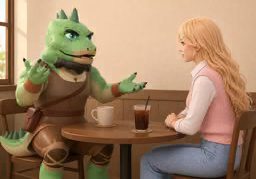
言葉が通じないときは、身振りで気持ちを伝えます。koto ba ga tsū ji na i to ki wa mi bu ri de ki mo chi o tsuta e ma su
When words do not work, people express their feelings with gestures.
Centers on visible movements of the body that convey meaning or accompany speech.
身振りを交えるmi bu ri o maji e ru
add gestures
身振りで伝えるmi bu ri de tsuta e ru
communicate through gestures
身振りで示すmi bu ri de shime su
show through gestures
ジェスチャーjesuchā: A movement used to communicate an idea, feeling, or instruction without words.
手振りteburi: A movement of the hands used to support speech or convey meaning.
仕草shigusa: A small movement or manner of moving that expresses a feeling or intention.
意思や感情を伝えるために手や体を動かすこと。i shi ya kan jō o tsuta e ru ta me ni te ya karada o ugo ka su ko to
A native Japanese compound of 身 (mi, "body") and 振り (furi, "movement or manner"), 身振り (miburi) describes bodily movement used as a gesture.