

Japanese Conversation · Level 78
76 words
Search Japanese words as written, in romaji or by English meaning.
Dictionaries
Quick links
Browse
 MotiSpiOfficial conversation app

Japanese word
Romajishigusa
彼女の仕草はとても自然です。kano jo no shi gusa wa to te mo shi zen de su
Her gestures are very natural.
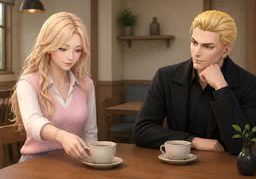
彼は緊張すると、同じ仕草を何度も繰り返します。kare wa kin chō su ru to ona ji shi gusa o nan do mo ku ri kae shi ma su
When he gets nervous, he repeats the same gesture over and over.
Captures the visible way a person carries out an action, including small movements that reveal a characteristic manner.
独特な仕草doku toku na shi gusa
distinctive mannerism
仕草に気づくshi gusa ni ki zu ku
notice someone's gesture
仕草を観察するshi gusa o kan satsu su ru
observe someone's gestures
身振りmiburi: A movement of the hands or body used to express a meaning or feeling.
動作dōsa: A movement made by the body while performing an action.
所作shosa: A person's way of moving and acting, especially in a formal setting.
人の動作や身のこなしに表れる、その人らしい動きや態度。hito no dō sa ya mi no ko na shi ni arawa re ru so no hito ra shi i ugo ki ya tai do
仕草 (shigusa) is also written 仕種 (shigusa), and the word's exact origin is uncertain; both spellings refer to a person's characteristic manner or movement.