

Japanese Conversation · Level 88
60 words
Search Japanese words as written, in romaji or by English meaning.
Dictionaries
Quick links
Browse
 MotiSpiOfficial conversation app

Japanese word
Romajiiidasu
彼は旅行の話を言い出しました。kare wa ryo kō no hanashi o i i da shi ma shi ta
He brought up the trip.
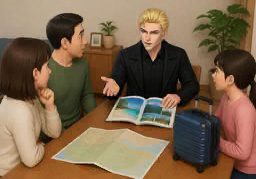
誰も言い出しませんので、私から質問しました。dare mo i i da shi ma se n no de watashi ka ra shitsu mon shi ma shi ta
Since no one brought it up, I asked the question myself.
Conveys a speaker taking the initiative to bring an unspoken idea or subject into the conversation.
急に言い出すkyū ni i i da su
suddenly bring up
帰ろうと言い出すkae rō to i i da su
suggest leaving
持ち出すmochidasu: To introduce a subject into a conversation, especially one that has not been discussed.
切り出すkiridasu: To begin a conversation or statement by introducing a particular subject.
言い始めるiihajimeru: To begin speaking or to start expressing something.
会話の中で、新しい話題や考えを自分から述べ始める。kai wa no naka de atara shi i wa dai ya kanga e o ji bun ka ra no be haji me ru
言い出す (iidasu) combines 言い (ii, "say"), the stem of 言う (iu, "say"), with 出す (dasu, "put out"), expressing the start of putting an idea into words.