

Japanese Conversation · Level 87
60 words
Search Japanese words as written, in romaji or by English meaning.
Dictionaries
Quick links
Browse
 MotiSpiOfficial conversation app

Japanese word
Romajimochidasu
会議で新しい話題を持ち出します。kai gi de atara shi i wa dai o mo chi da shi ma su
I bring up a new topic at the meeting.
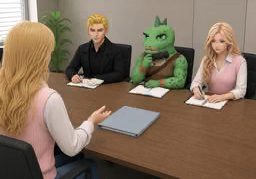
その問題は今は持ち出さないでください。so no mon dai wa ima wa mo chi da sa na i de ku da sa i
Please do not bring up that issue now.
It conveys bringing something into the shared situation, whether taking an object out to show or use it or introducing a topic for discussion.
話題を持ち出すwa dai o mo chi da su
bring up a topic
問題を持ち出すmon dai o mo chi da su
bring up an issue
切り出すkiridasu: To begin speaking about a subject that has not yet been discussed.
言い出すiidasu: To be the first to mention an idea, request, or subject.
取り上げるtoriageru: To make a topic the subject of discussion or attention.
持ち掛けるmochikakeru: To propose an idea or matter to another person for consideration.
物を外へ出して使えるようにしたり、話題や問題を取り上げて示したりすること。mono o soto e da shi te tsuka e ru yō ni shi ta ri wa dai ya mon dai o to ri a ge te shime shi ta ri su ru ko to
持ち出す (mochidasu) combines 持つ (motsu, "to hold") in its connective form 持ち (mochi) with 出す (dasu, "to put out"), expressing the act of bringing something outward.