

Japanese Conversation · Level 129
60 words
Search Japanese words as written, in romaji or by English meaning.
Dictionaries
Quick links
Browse
 MotiSpiOfficial conversation app

Japanese word
Romajiyomigaeru
春になると、町が蘇ります。haru ni na ru to machi ga yomigae ri ma su
The town comes back to life in spring.
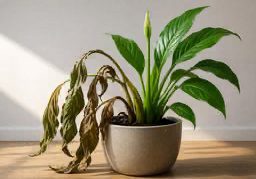
修復された庭に、以前の美しさが蘇りました。shū fuku sa re ta niwa ni i zen no utsuku shi sa ga yomigae ri ma shi ta
The garden regained its former beauty after it was restored.
Expresses a return from lifelessness, decline, or inactivity to a state of life, energy, or function.
脳裏に蘇るnō ri ni yomigae ru
come back to mind
蘇る記憶yomigae ru ki oku
memories that come back
蘇る伝統yomigae ru den tō
a tradition that is revived
蘇る町yomigae ru machi
a town coming back to life
生き返るikikaeru: To return to life after dying or nearly dying.
復活するfukkatsusuru: To become active or useful again after a period of decline or inactivity.
再生するsaiseisuru: To grow or function again after damage, loss, or decline.
一度失われたり衰えたりした生命や活力が、再び戻ること。ichi do ushina wa re ta ri otoro e ta ri shi ta sei mei ya katsu ryoku ga futata bi modo ru ko to
蘇る (yomigaeru, "to come back to life") is a native verb whose traditional analysis combines 黄泉 (yomi, "the land of the dead") with 返る (kaeru, "to return"), but the origin remains uncertain.