

Japanese Conversation · Level 58
75 words
Search Japanese words as written, in romaji or by English meaning.
Dictionaries
Quick links
Browse
 MotiSpiOfficial conversation app

Japanese word
Romajiikikaeru
春になると、庭の花が生き返ります。haru ni na ru to niwa no hana ga i ki kae ri ma su
In spring, the flowers in the garden come back to life.
災害で静かになった町が、祭りの日に生き返ります。sai gai de shizu ka ni na tta machi ga matsu ri no hi ni i ki kae ri ma su
A town that fell quiet after a disaster comes back to life on the day of the festival.
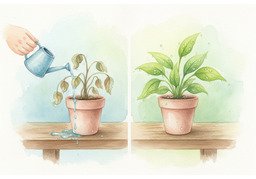
Marks the restoration of life or vitality after a period of deathlike stillness or weakness.
完全に生き返るkan zen ni i ki kae ru
fully come back to life
生き返る兆しi ki kae ru kiza shi
signs of coming back to life
蘇るyomigaeru: To return to life or to a former lively state after seeming to have faded or ended.
蘇生するsoseisuru: To be brought back to life after appearing to have died, especially through medical care.
復活するfukkatsusuru: To return to use, activity, or public attention after a period of decline or absence.
回復するkaifukusuru: To return to a healthy or normal condition after illness, damage, or weakness.
一度失われた生命や活力が、再び戻って生きた状態になること。ichi do ushina wa re ta sei mei ya katsu ryoku ga futata bi modo tte i ki ta jō tai ni na ru ko to
The compound 生き返る (ikikaeru) joins 生き (iki, "living") with 返る (kaeru, "to return"), so its structure means returning to a living condition.