

Japanese Conversation · Level 113
60 words
Search Japanese words as written, in romaji or by English meaning.
Dictionaries
Quick links
Browse
 MotiSpiOfficial conversation app

Japanese word
Romajimoeru
春になると、草木が萌えます。haru ni na ru to kusa ki ga mo e ma su
In spring, plants sprout.
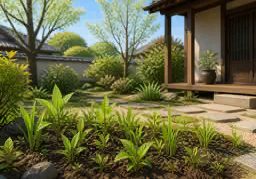
雨上がりの庭で、新しい芽が萌えています。ame a ga ri no niwa de atara shi i me ga mo e te i ma su
New buds are sprouting in the garden after the rain.
Describes new plant growth as it first appears and begins to develop.
若葉が萌えるwaka ba ga mo e ru
young leaves sprout
草木が萌えるkusa ki ga mo e ru
plants sprout
芽吹くmebuku: To put out new shoots or leaves as growth begins.
芽生えるmebaeru: To begin growing from a seed or as a new plant.
草木が芽を出して伸び始める。kusa ki ga me o da shi te no bi haji me ru
As a native Japanese verb, 萌える (moeru, "to sprout") is the modern form of the older verb 萌ゆ (moyu, "to sprout").