

Japanese Conversation · Level 13
90 words
Search Japanese words as written, in romaji or by English meaning.
Dictionaries
Quick links
Browse
 MotiSpiOfficial conversation app

Japanese word
Romajiarai
海が荒いです。umi ga ara i de su
The sea is rough.
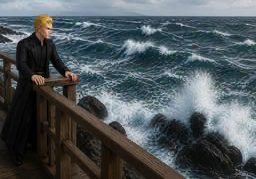
船長は荒い海でも、慎重に進みます。sen chō wa ara i umi de mo shin chō ni susu mi ma su
The captain carefully navigates even in rough seas.
Describes something that is unsettled, forceful, or lacking gentleness, from rough seas to fierce behavior.
気性が荒いki shō ga ara i
have a fierce temper
荒い口調ara i ku chō
harsh tone
荒い息ara i iki
labored breathing
荒々しいaraarashii: Describes behavior or conditions that show strong wildness and force.
激しいhageshii: Describes movement, weather, or emotions that reach a high degree of force or intensity.
荒っぽいarappoi: Describes behavior, speech, or handling that lacks gentleness and care.
物事の状態や動きが激しく、穏やかでないさま。mono goto no jō tai ya ugo ki ga hage shi ku oda ya ka de na i sa ma
荒い (arai) is a native Japanese adjective formed from 荒 (ara, "wild") and the adjective ending い (i).