

Japanese Conversation · Level 37
90 words
Search Japanese words as written, in romaji or by English meaning.
Dictionaries
Quick links
Browse
 MotiSpiOfficial conversation app

Japanese word
Romajikantan
この問題は簡単です。ko no mon dai wa kan tan de su
This problem is easy.
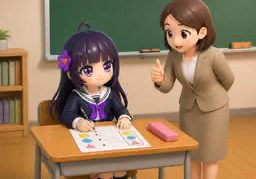
このゲームは簡単です。ko no gē mu wa kan tan de su
This game is easy.
この料理は材料が少なく、簡単です。ko no ryō ri wa zai ryō ga suku na ku kan tan de su
This dish is easy because it uses few ingredients.
Describes something that can be understood or done without much effort, making it straightforward rather than complicated.
簡単な質問kan tan na shitsu mon
an easy question
簡単に覚えるkan tan ni obo e ru
learn easily
簡単な作業kan tan na sa gyō
a simple task
手軽tegaru: Describes something that can be done easily without much time, effort, or preparation.
楽raku: Describes something that requires little effort or causes little difficulty.
単純tanjun: Describes something with few parts or steps and little complexity in its structure.
物事の内容や仕組みがわかりやすく、理解したり実行したりするのに手間がかからないさま。mono goto no nai yō ya shi ku mi ga wa ka ri ya su ku ri kai shi ta ri jik kō shi ta ri su ru no ni te ma ga ka ka ra na i sa ma
簡単 (kantan) is a Sino-Japanese word formed from 簡 (kan, "simple" or "brief") and 単 (tan, "single" or "simple"), whose combined sense is uncomplicated.