

JLPT · Level 52
45 words
Search Japanese words as written, in romaji or by English meaning.
Dictionaries
Quick links
Browse
 MotiSpiOfficial conversation app

Japanese word
Romajitsukiataru
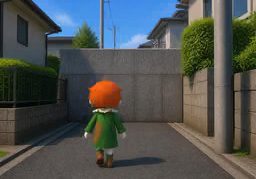
この道は壁に突き当たります。ko no michi wa kabe ni tsu ki a ta ri ma su
This road comes to a dead end at the wall.
山道を下ると、深い谷に突き当たりました。san dō o kuda ru to fuka i tani ni tsu ki a ta ri ma shi ta
As I went down the mountain path, I came to a deep ravine.
突き当たる (tsukiataru) marks the point where continued progress meets a barrier, whether the barrier is a physical object or the end of a path.
壁に突き当たるkabe ni tsu ki a ta ru
hit a wall
問題に突き当たるmon dai ni tsu ki a ta ru
run into a problem
困難に突き当たるkon nan ni tsu ki a ta ru
run into difficulties
行き止まるikitomaru: To end at a place where movement along a route cannot continue.
行き詰まるikizumaru: To become unable to make progress because an obstacle or difficulty blocks the way forward.
進行して壁や物にぶつかり、または進む先がなくなること。shin kō shi te kabe ya mono ni bu tsu ka ri ma ta wa susu mu saki ga na ku na ru ko to
突き当たる (tsukiataru) joins 突き (tsuki), from 突く (tsuku, "thrust or push"), with 当たる (ataru, "hit or meet"), and describes forward motion ending in contact.