

Japanese Conversation · Level 102
60 words
Search Japanese words as written, in romaji or by English meaning.
Dictionaries
Quick links
Browse
 MotiSpiOfficial conversation app

Japanese word
Romajimujaki
その子は無邪気です。so no ko wa mu ja ki de su
The child is innocent.
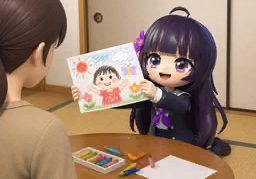
その子の無邪気な一言で、みんなの緊張がほぐれました。so no ko no mu ja ki na hito koto de mi n na no kin chō ga ho gu re ma shi ta
The child's innocent remark eased everyone's tension.
Shows a straightforward, childlike openness that is free from suspicion, malice, and self-conscious calculation.
無邪気な言葉mu ja ki na koto ba
innocent words
無邪気に尋ねるmu ja ki ni tazu ne ru
ask innocently
無邪気な態度mu ja ki na tai do
an innocent attitude
天真爛漫tenshinranman: Showing a bright, natural openness and lively lack of self-consciousness.
純真junshin: Having a sincere, unspoiled mind without deceit or worldly calculation.
素直sunao: Showing honest acceptance and a lack of resistance or affected behavior.
無垢muku: Being free from impurity, guilt, or corrupting thoughts.
邪心や悪意を持たず、無心で素直なさま。ja shin ya aku i o mo ta zu mu shin de su nao na sa ma
The Sino-Japanese word 無邪気 (mujaki, "innocent") combines 無 (mu, "without"), 邪 (ja, "evil"), and 気 (ki, "spirit or nature").