

Japanese Conversation · Level 134
61 words
Search Japanese words as written, in romaji or by English meaning.
Dictionaries
Quick links
Browse
 MotiSpiOfficial conversation app

Japanese word
Romajiakebono
山の曙を静かに眺めました。yama no akebono o shizu ka ni naga me ma shi ta
I quietly watched the dawn over the mountains.
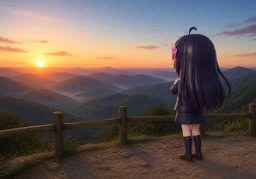
東の空が曙の光を受けて、淡く輝いています。higashi no sora ga akebono no hikari o u ke te awa ku kagaya i te i ma su
The eastern sky is glowing softly in the light of dawn.
Describes the first light that breaks the darkness and marks the start of a day or a new stage.
曙の空akebono no sora
dawn sky
曙を迎えるakebono o muka e ru
welcome the dawn
曙の光akebono no hikari
light of dawn
夜明けyoake: The time when night ends and daylight begins.
明け方akegata: The period near sunrise when the sky begins to grow light.
暁akatsuki: The early light of day, expressed in a literary style.
黎明reimei: The first light of day, often used in formal or figurative language.
夜が明け始めて東の空が白みかけるころ。また、物事の始まり。yoru ga a ke haji me te higashi no sora ga shira mi ka ke ru ko ro ma ta mono goto no haji ma ri
曙 (akebono) is a native Japanese word, often explained as 明け (ake, "daybreak") combined with ほの (hono, "faintly"); the full historical formation is uncertain.