

Japanese Conversation · Level 77
76 words
Search Japanese words as written, in romaji or by English meaning.
Dictionaries
Quick links
Browse
 MotiSpiOfficial conversation app

Japanese word
Romajikure
暮れには店が閉まります。ku re ni wa mise ga shi ma ri ma su
The shops close at dusk.
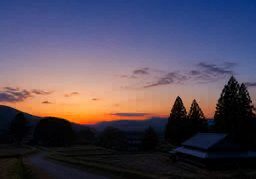
旅先で暮れの空を見上げると、海が赤く染まっていました。tabi saki de ku re no sora o mi a ge ru to umi ga aka ku so ma tte i ma shi ta
When I looked up at the evening sky during my trip, the sea was glowing red.
Marks the time when daylight fades, and by extension the point when a period or event comes to an end.
暮れの空ku re no sora
the sky at dusk
暮れの街ku re no machi
the city at dusk
日暮れhigure: The time when daylight ends and evening begins.
夕暮れyūgure: The period of fading light around sunset as evening begins.
黄昏tasogare: The dim light around sunset, a term often used in literary language.
日が沈んであたりが暗くなる頃。また、物事や期間の終わり。hi ga shizu n de a ta ri ga kura ku na ru koro ma ta mono goto ya ki kan no o wa ri
The noun 暮れ (kure) comes from the stem of 暮れる (kureru), meaning "to grow dark" or "to come to an end," and keeps both senses.