

Japanese Conversation · Level 65
75 words
Search Japanese words as written, in romaji or by English meaning.
Dictionaries
Quick links
Browse
 MotiSpiOfficial conversation app

Japanese word
Romajimonku
文句があれば、言ってください。mon ku ga a re ba i tte ku da sa i
If you have a complaint, please tell me.
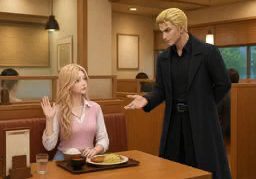
弟は料理の味に文句を言いました。otōto wa ryō ri no aji ni mon ku o i i ma shi ta
My younger brother complained about the taste of the food.
Describes an expressed feeling that something is unsatisfactory, unfair, or unacceptable.
文句を言うmon ku o yū
complain
文句があるmon ku ga a ru
have a complaint
文句をつけるmon ku o tsu ke ru
make a complaint
不満fuman: A feeling that something is unsatisfactory or unfair.
苦情kujō: A formal complaint about a problem with a person, service, or product.
愚痴guchi: A personal complaint expressed repeatedly about an unpleasant situation.
不満や納得できない点を言葉にして述べること。fu man ya nat toku de ki na i ten o koto ba ni shi te no be ru ko to
文句 (monku) is formed from 文 (mon, "writing") and 句 (ku, "phrase"), referring to words that state dissatisfaction or an objection.