

Japanese Conversation · Level 34
90 words
Search Japanese words as written, in romaji or by English meaning.
Dictionaries
Quick links
Browse
 MotiSpiOfficial conversation app

Japanese word
Romajihanasu
彼の手を放します。kare no te o hana shi ma su
I let go of his hand.
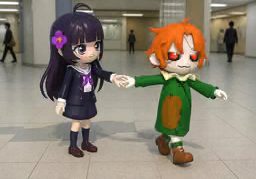
飼育員は元気になった鳥を森に放しました。shi iku in wa gen ki ni na tta tori o mori ni hana shi ma shi ta
The keeper released the recovered bird into the forest.
放す (hanasu) presents release as a deliberate shift from holding something close to allowing it to be separate.
手を放すte o hana su
let go of someone's hand
ロープを放すrō pu o hana su
let go of the rope
鳥を放すtori o hana su
release a bird
離すhanasu: To stop holding something or move it away from another person or thing.
放つhanatsu: To set a person or thing free so that it can move or spread without restraint.
逃がすnigasu: To allow a person or animal to escape instead of keeping it under control.
つかんだり押さえたりしていた物や人を、その拘束から解く。tsu ka n da ri o sa e ta ri shi te i ta mono ya hito o so no kō soku ka ra to ku
The native Japanese verb 放す (hanasu) is historically connected with 放つ (hanatsu), "to release," and retains the basic idea of making something separate from the holder.