

Japanese Conversation · Level 38
90 words
Search Japanese words as written, in romaji or by English meaning.
Dictionaries
Quick links
Browse
 MotiSpiOfficial conversation app

Japanese word
Romajioshii
もう少しで勝てたのに、惜しかったです。mō suko shi de ka te ta no ni o shi ka tta de su
It was too bad; we almost won.
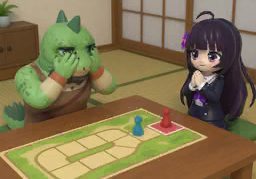
試合に負けて、惜しいです。shi ai ni ma ke te o shi i de su
It is a shame that we lost the game.
合格まであと一問だったので、惜しかったです。gō kaku ma de a to ichi mon da tta no de o shi ka tta de su
Since I was just one question short of passing, it was a shame.
Expresses regret when a desired result is missed by a small margin or when something valuable is lost.
惜しいところo shi i to ko ro
so close
悔しいkuyashii: Expresses frustration or regret when a desired result is missed despite one's effort.
もったいないmottainai: Expresses regret that something valuable is wasted, lost, or left unused.
成功や実現まであとわずかで、そうならなかったことを残念に思うさま。sei kō ya jitsu gen ma de a to wa zu ka de sō na ra na ka tta ko to o zan nen ni omo u sa ma
The native adjective 惜しい (oshii, "regrettable to lose") developed from the older adjective 惜し (oshi, "regrettable to lose") and shares its root with 惜しむ (oshimu, "to regret losing or wasting").