

Japanese Conversation · Level 107
60 words
Search Japanese words as written, in romaji or by English meaning.
Dictionaries
Quick links
Browse
 MotiSpiOfficial conversation app

Japanese word
Romajikōrei
毎年の恒例として、町で祭りを開きます。mai toshi no kō rei to shi te machi de matsu ri o hira ki ma su
As an annual tradition, the town holds a festival.
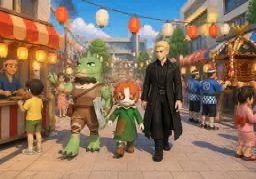
地域の人々は夏の恒例を楽しみにしています。chi iki no hito bito wa natsu no kō rei o tano shi mi ni shi te i ma su
People in the community look forward to the annual summer event.
Presents a repeated occurrence as a familiar and established part of a routine, custom, or calendar.
恒例の行事kō rei no gyō ji
annual event
恒例としてkō rei to shi te
as a tradition
恒例になるkō rei ni na ru
become a regular event
定例teirei: A regularly scheduled event or activity that occurs as part of an established routine.
慣例kanrei: A customary way of acting that is accepted and repeated in a particular group or setting.
しきたりshikitari: A practice or form of behavior traditionally followed by members of a group.
習慣shūkan: A repeated practice that has become a usual part of daily or group life.
習慣として定着し、決まった時期や機会に繰り返し行われること。shū kan to shi te tei chaku shi ki ma tta ji ki ya ki kai ni ku ri kae shi okona wa re ru ko to
恒 (kō, "constant") means something continuing without change, while 例 (rei, "example") means a model or usual case; together they form 恒例 (kōrei), an established recurring practice.