

JLPT · Level 108
30 words
Search Japanese words as written, in romaji or by English meaning.
Dictionaries
Quick links
Browse
 MotiSpiOfficial conversation app

Japanese word
Romajishikitari
この村には古いしきたりがあります。ko no mura ni wa furu i shi ki ta ri ga a ri ma su
This village has an old custom.
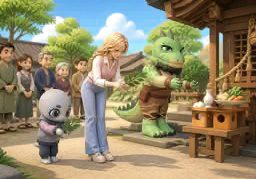
その家では、客を迎えるしきたりが続いています。so no ie de wa kyaku o muka e ru shi ki ta ri ga tsuzu i te i ma su
In that family, the custom of welcoming guests continues.
Expresses an established pattern of behavior that connects present actions with the practices of earlier generations.
しきたりを守るshi ki ta ri o mamo ru
observe a custom
地域のしきたりchi iki no shi ki ta ri
local custom
しきたりに従うshi ki ta ri ni shitaga u
follow a custom
習わしnarawashi: A customary practice passed down in a family, community, or society.
伝統dentō: A practice, belief, story, or way of life passed down through generations.
風習fūshū: A customary practice associated with a particular group or region.
昔からの習慣として受け継がれ、特定の場や集団で守られている作法や決まり。mukashi ka ra no shū kan to shi te u ke tsu ga re toku tei no ba ya shū dan de mamo ra re te i ru sa hō ya ki ma ri
The native form 仕来たり (shikitari) is related to 仕来る (shikitaru), "to do in the customary way," so its form reflects an inherited manner of acting.