

Japanese Conversation · Level 52
90 words
Search Japanese words as written, in romaji or by English meaning.
Dictionaries
Quick links
Browse
 MotiSpiOfficial conversation app

Japanese word
Romajihikinuku
その雑草を引き抜きます。so no zas sō o hi ki nu ki ma su
I pull out that weed.
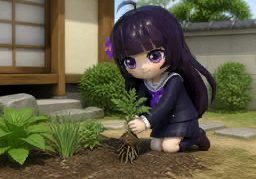
雨上がりは、土が柔らかいので雑草を引き抜きます。ame a ga ri wa tsuchi ga yawa ra ka i no de zas sō o hi ki nu ki ma su
After the rain, I pull out weeds because the soil is soft.
The core sense is taking something or someone away from an existing position, attachment, or affiliation.
雑草を引き抜くzas sō o hi ki nu ku
pull out weeds
根ごと引き抜くne go to hi ki nu ku
pull out by the roots
歯を引き抜くha o hi ki nu ku
pull out a tooth
土から引き抜くtsuchi ka ra hi ki nu ku
pull out of the soil
優秀な人材を引き抜くyū shū na jin zai o hi ki nu ku
headhunt top talent
抜くnuku: To remove something from where it is fixed or placed, often by pulling.
抜き取るnukitoru: To take something out of a place or container by pulling it.
取り出すtoridasu: To remove something from inside a place or container.
物や人を、付いている所や属している所から抜き出すこと。mono ya hito o tsu i te i ru tokoro ya zoku shi te i ru tokoro ka ra nu ki da su ko to
引き抜く (hikinuku) is made from 引く (hiku, "pull") and 抜く (nuku, "take out"), so its form expresses pulling something free from where it is held.