

Japanese Conversation · Level 112
60 words
Search Japanese words as written, in romaji or by English meaning.
Dictionaries
Quick links
Browse
 MotiSpiOfficial conversation app

Japanese word
Romajisashitsukaeru
少し遅れても差し支えません。suko shi oku re te mo sa shi tsuka e ma se n
It will not be a problem if I am a little late.
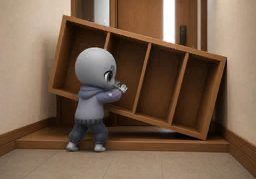
必要な資料がなくても、作業には差し支えません。hitsu yō na shi ryō ga na ku te mo sa gyō ni wa sa shi tsuka e ma se n
The absence of the necessary documents will not affect the work.
Refers to an action or condition that prevents something from proceeding smoothly or creates a practical difficulty.
差し支えないsa shi tsuka e na i
be no problem
差し支えなければsa shi tsuka e na ke re ba
if it is not a problem
業務に差し支えるgyō mu ni sa shi tsuka e ru
interfere with business
困るkomaru: To feel troubled when a situation creates difficulty or leaves no good choice.
差し障るsashisawaru: To interfere with an action or situation in a way that causes difficulty.
障るsawaru: To hinder progress or have a harmful effect on a person or activity.
物事を行ううえで都合が悪くなったり、進行の妨げになったりする。mono goto o okona u u e de tsu gō ga waru ku na tta ri shin kō no samata ge ni na tta ri su ru
The native Japanese verb 差し支える (sashitsukaeru) is formed from 差し (sashi), the continuative form of 差す (sasu), and 支える (sasaeru, "to hold back"), with a meaning related to obstruction.