

Japanese Conversation · Level 33
90 words
Search Japanese words as written, in romaji or by English meaning.
Dictionaries
Quick links
Browse
 MotiSpiOfficial conversation app

Japanese word
Romajikomaru
道が分からなくて困っています。michi ga wa ka ra na ku te koma tte i ma su
I am having trouble because I do not know the way.
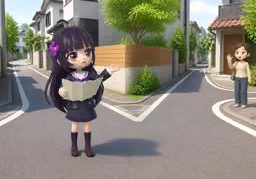
荷物が多くて困りました。ni motsu ga ō ku te koma ri ma shi ta
I had trouble because I had too much luggage.
Describes being unable to proceed easily because a situation creates a problem or leaves someone unsure what to do.
対応に困るtai ō ni koma ru
have trouble handling
困ったときkoma tta to ki
when in trouble
困っているkoma tte i ru
be in trouble
悩むnayamu: To worry about a problem or think hard about how to deal with it.
迷うmayou: To be unsure which way, choice, or action to take.
戸惑うtomadou: To be unsure how to respond in an unfamiliar situation.
問題が起きたり、どうすればよいか分からなかったりして、対処に苦しむ。mon dai ga o ki ta ri dō su re ba yo i ka wa ka ra na ka tta ri shi te tai sho ni kuru shi mu
困る (komaru) is a native Japanese verb, not a compound or loanword, and reliable details of its earlier formation are uncertain.