

Japanese Conversation · Level 120
60 words
Search Japanese words as written, in romaji or by English meaning.
Dictionaries
Quick links
Browse
 MotiSpiOfficial conversation app

Japanese word
Romajijūshoku
私はこの寺の住職です。watashi wa ko no tera no jū shoku de su
I am the chief priest of this temple.
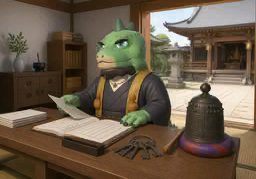
父の後を継いで、住職になりました。chichi no ato o tsu i de jū shoku ni na ri ma shi ta
I took over from my father and became the chief priest.
Describes the Buddhist priest who serves as the resident head and manages the affairs of a temple.
住職を務めるjū shoku o tsuto me ru
serve as chief priest
住職になるjū shoku ni na ru
become a chief priest
住職を退くjū shoku o shirizo ku
step down as chief priest
住持jūji: The Buddhist priest who resides at and oversees a temple.
和尚oshō: A respectful term for a Buddhist priest, often used for the priest in charge of a temple.
僧侶sōryo: A Buddhist religious practitioner who has entered the priesthood.
仏教寺院に住み、寺務を管理して仏事を行う中心的な僧。buk kyō ji in ni su mi ji mu o kan ri shi te butsu ji o okona u chū shin teki na sō
住職 (jūshoku) is a Sino-Japanese compound of 住 (jū, "reside") and 職 (shoku, "position or duty"), naming the priest who occupies a temple's resident position.