

Japanese Conversation · Level 121
60 words
Search Japanese words as written, in romaji or by English meaning.
Dictionaries
Quick links
Browse
 MotiSpiOfficial conversation app

Japanese word
Romajiteimei
売り上げが低迷しています。u ri a ge ga tei mei shi te i ma su
Sales are in a slump.
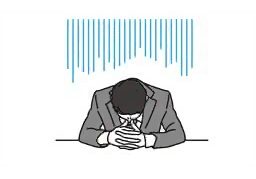
市場の低迷が長引いたため、店は営業時間を短縮しました。shi jō no tei mei ga naga bi i ta ta me mise wa ei gyō ji kan o tan shuku shi ma shi ta
Because the market slump lasted so long, the store reduced its hours.
Expresses a prolonged low point in activity, performance, or vitality.
低迷が続くtei mei ga tsuzu ku
the slump continues
低迷を脱するtei mei o das su ru
break out of a slump
景気の低迷kei ki no tei mei
economic slump
不振fushin: A state of poor performance, especially in business, sales, or sports.
低調teichō: A state in which activity or performance remains below its usual level.
停滞teitai: A state in which activity or progress slows greatly or stops.
低落teiraku: A state in which performance, condition, or morale falls to a low level.
景気や売り上げなどが振るわず、低い状態が続くこと。kei ki ya u ri a ge na do ga fu ru wa zu hiku i jō tai ga tsuzu ku ko to
The compound 低迷 (teimei) joins 低 (tei, "low") and 迷 (mei, "wander"), and its literal parts convey something staying low without advancing.