

Japanese Conversation · Level 83
60 words
Search Japanese words as written, in romaji or by English meaning.
Dictionaries
Quick links
Browse
 MotiSpiOfficial conversation app

Japanese word
Romajiheikō
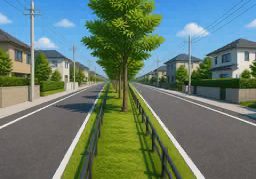
二本の道が並行しています。ni pon no michi ga hei kō shi te i ma su
The two roads run parallel.
二つの企画を並行して進めるのは大変です。futa tsu no ki kaku o hei kō shi te susu me ru no wa tai hen de su
It is difficult to move forward with two projects in parallel.
Describes separate lines, paths, or actions that continue alongside one another without merging.
並行して進めるhei kō shi te susu me ru
proceed in parallel
並行輸入hei kō yu nyū
parallel import
平行heikō: The state of lines or surfaces remaining the same distance apart and never meeting.
併行heikō: The state of two or more activities proceeding at the same time.
並列heiretsu: The arrangement of separate things placed side by side.
二つ以上の物事が、離れず交わらずに並んで進むこと。futa tsu i jō no mono goto ga hana re zu maji wa ra zu ni nara n de susu mu ko to
The compound 並行 (heikō) combines 並 (hei, "side by side") and 行 (kō, "go"), expressing things that proceed side by side.