

Japanese Conversation · Level 29
90 words
Search Japanese words as written, in romaji or by English meaning.
Dictionaries
Quick links
Browse
 MotiSpiOfficial conversation app

Japanese word
Romajihageru
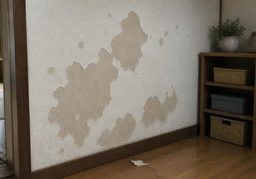
古い壁のペンキがはげました。furu i kabe no pe n ki ga ha ge ma shi ta
The paint on the old wall peeled off.
強い日差しで、店の看板の文字がはげました。tsuyo i hi za shi de mise no kan ban no moji ga ha ge ma shi ta
The letters on the shop sign wore off in strong sunlight.
Presents something as losing an outer layer or covering through peeling, fading, or hair loss.
頭がはげるatama ga ha ge ru
go bald
ペンキがはげるpe n ki ga ha ge ru
paint peels off
メッキがはげるme kki ga ha ge ru
plating peels off
色がはげるiro ga ha ge ru
color fades
剥がれるhagareru: To come loose and separate from the surface it covers.
むけるmukeru: To come off as a skin, shell, or thin outer layer.
色褪せるiroaseru: To lose its original color and become pale or dull.
表面を覆うものや付着した色が取れたり、髪が抜けたりして、覆いがなくなること。hyō men o ō u mo no ya fu chaku shi ta iro ga to re ta ri kami ga nu ke ta ri shi te ō i ga na ku na ru ko to
はげる (hageru) is a native Japanese verb connected with はぐ (hagu, "to peel or strip"); the form はげる expresses a covering coming off without stating an agent.