

Japanese Conversation · Level 42
90 words
Search Japanese words as written, in romaji or by English meaning.
Dictionaries
Quick links
Browse
 MotiSpiOfficial conversation app

Japanese word
Romajihagareru
壁のポスターが剥がれます。kabe no po su tā ga ha ga re ma su
The poster comes off the wall.
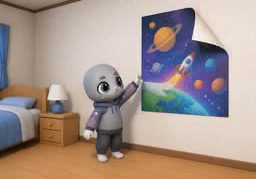
古いラベルが水にぬれて剥がれました。furu i ra be ru ga mizu ni nu re te ha ga re ma shi ta
The old label got wet and came off.
Marks the point at which something attached to a surface becomes detached and can no longer stay in its original position.
壁から剥がれるkabe ka ra ha ga re ru
come off the wall
塗装が剥がれるto sō ga ha ga re ru
paint peels off
シールが剥がれるshī ru ga ha ga re ru
a sticker comes off
取れるtoreru: To separate from a surface or attachment without specifying how it happens.
外れるhazureru: To lose its proper position by coming free from a fitting or connection.
剥がれ落ちるhagareochiru: To peel away from a surface and fall down.
物の表面に付いているものが、表面から離れて取れる状態になる。mono no hyō men ni tsu i te i ru mo no ga hyō men ka ra hana re te to re ru jō tai ni na ru
剥がれる (hagareru) is the intransitive member of the native Japanese verb pair with 剥がす (hagasu, "to peel off"), presenting detachment as something that happens to the attached item.