

Japanese Conversation · Level 22
90 words
Search Japanese words as written, in romaji or by English meaning.
Dictionaries
Quick links
Browse
 MotiSpiOfficial conversation app

Japanese word
Romajitsumaranai
この映画はつまらないです。ko no ei ga wa tsu ma ra na i de su
This movie is boring.
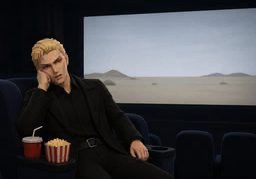
友達のつまらない冗談に、みんな黙ってしまいました。tomo dachi no tsu ma ra na i jō dan ni mi n na dama tte shi ma i ma shi ta
Everyone fell silent at my friend's lame joke.
Describes something that leaves a person feeling that there is no engaging content or pleasure in it.
つまらない映画tsu ma ra na i ei ga
a boring movie
つまらない話tsu ma ra na i hanashi
a boring story
くだらないkudaranai: Describes something silly or unimportant that does not seem worth attention.
味気ないajikenai: Describes something that feels dull because it lacks liveliness or appeal.
内容に興味を引かず、面白さや楽しさがないさま。nai yō ni kyō mi o hi ka zu omo shiro sa ya tano shi sa ga na i sa ma
つまらない (tsumaranai) is formed from つまる (tsumaru, "to end") and ない (nai, "not"), with its meaning developing from the idea of something that does not reach a satisfying conclusion.