

JLPT · Level 13
75 words
Search Japanese words as written, in romaji or by English meaning.
Dictionaries
Quick links
Browse
 MotiSpiOfficial conversation app

Japanese word
Romajikudaranai
その話はくだらないです。so no hanashi wa ku da ra na i de su
That story is silly.
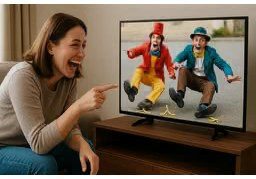
そんなくだらないことに時間を使わないでください。so n na ku da ra na i ko to ni ji kan o tsuka wa na i de ku da sa i
Please do not spend time on such a pointless thing.
Presents something as too foolish, unimportant, or useless to deserve serious attention.
くだらない話ku da ra na i hanashi
silly story
くだらない冗談ku da ra na i jō dan
silly joke
くだらないことを言うku da ra na i ko to o yū
say silly things
つまらないtsumaranai: Describes something as lacking interest or importance and not worth much attention.
ばかばかしいbakabakashii: Describes something as absurdly foolish or unreasonable.
ばかばかしくて取り上げる価値がなく、役に立たないさま。ba ka ba ka shi ku te to ri a ge ru ka chi ga na ku yaku ni ta ta na i sa ma
The origin of くだらない (kudaranai) is uncertain; it is commonly analyzed as the negative form of 下る (kudaru, "to go down"), although the semantic path to "silly" is unclear.