

JLPT · Level 70
45 words
Search Japanese words as written, in romaji or by English meaning.
Dictionaries
Quick links
Browse
 MotiSpiOfficial conversation app

Japanese word
Romajishinabiru
野菜がしなびます。ya sai ga shi na bi ma su
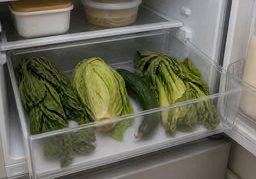
The vegetables wilt.
水をやらないと、花がしなびます。mizu o ya ra na i to hana ga shi na bi ma su
The flowers wilt if they are not watered.
Describes moisture and firmness leaving a plant or vegetable, so it loses its fresh, upright state.
しなびた野菜shi na bi ta ya sai
wilted vegetables
しなびた花shi na bi ta hana
wilted flowers
しなびた葉shi na bi ta ha
wilted leaves
しおれるshioreru: To droop and lose freshness because a plant or its leaves lack water.
干からびるhikarabiru: To become very dry and hard after losing nearly all moisture.
枯れるkareru: To lose vitality and stop growing as a plant's life processes come to an end.
植物や野菜などが水分を失い、張りやみずみずしさがなくなる。shoku butsu ya ya sai na do ga sui bun o ushina i ba ri ya mi zu mi zu shi sa ga na ku na ru
The native Japanese verb しなびる (shinabiru) is commonly written 萎びる (shinabiru), with 萎 (i, "wilt") indicating its central sense; the older formation of the verb is not firmly established.