


English–Japanese
“welcome” in Japanese

How to say “welcome” in Japanese
“Welcome” in Japanese is 迎える (mukaeru).
Describes being ready for someone or something as it arrives, whether by going out to meet it or accepting it.
Example sentences with 迎える
教室で転校生を迎えます。kyō shitsu de ten kō sei o muka e ma su
I welcome the new student in the classroom.
母は駅で友達を迎えました。haha wa eki de tomo dachi o muka e ma shi ta
My mother went to meet her friend at the station.
Tips for using 迎える
- The phrase 新年を迎える (shinnen o mukaeru) means to enter a new year, so 迎える (mukaeru) also applies to an important time rather than only to a person.
Other Japanese words for “welcome”
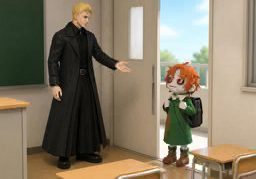
先生は新しい生徒を歓迎します。sen sei wa atara shi i sei to o kan gei shi ma su
The teacher welcomes the new student.

お客さんが来ると、母は「いらっしゃい」と言います。o kyaku sa n ga ku ru to haha wa i ra ssha i to i i ma su
When guests arrive, Mom says, "Welcome!"

教室へようこそ。いっしょに勉強しましょう。kyō shitsu e yō ko so i ssho ni ben kyō shi ma shō
Welcome to the classroom. Let's study together.