

Japanese Conversation · Level 115
60 words
Search Japanese words as written, in romaji or by English meaning.
Dictionaries
Quick links
Browse
 MotiSpiOfficial conversation app

Japanese word
Romajikangei
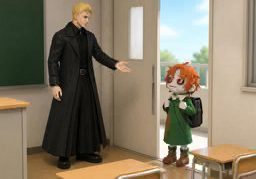
先生は新しい生徒を歓迎します。sen sei wa atara shi i sei to o kan gei shi ma su
The teacher welcomes the new student.
温かい歓迎を受けて、緊張がほぐれました。atata ka i kan gei o u ke te kin chō ga ho gu re ma shi ta
The warm welcome helped me relax.
Refers to an open and friendly reception that shows pleasure at someone's arrival or participation.
歓迎の言葉kan gei no koto ba
words of welcome
歓迎を受けるkan gei o u ke ru
receive a welcome
もてなしmotenashi: Care and attention given to guests or visitors in a friendly manner.
受け入れukeire: Acceptance of a person, idea, or change without refusing it.
受容juyō: An open acceptance of a person, idea, or change without resistance.
来た人や加わる人を、うれしい気持ちで受け入れて迎えること。ki ta hito ya kuwa wa ru hito o u re shi i ki mo chi de u ke i re te muka e ru ko to
歓迎 (kangei) is formed from the Sino-Japanese elements 歓 (kan, "joy") and 迎 (gei, "receive or meet"), expressing a joyful reception.