


English–Japanese
“misunderstanding” in Japanese
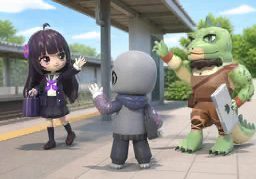
How to say “misunderstanding” in Japanese
“Misunderstanding” in Japanese is 誤解 (gokai).
Describes an understanding that differs from the facts or from what someone intended.
Example sentences with 誤解
その説明は新たな誤解を招きました。so no setsu mei wa ara ta na go kai o mane ki ma shi ta
That explanation caused a new misunderstanding.
Tips for using 誤解
- In everyday conversation, 誤解 (gokai) often appears in 誤解を招く (gokai o maneku), meaning that an action or statement causes a mistaken understanding.
Other Japanese words for “misunderstanding”

時間を勘違いしていました。ji kan o kan chiga i shi te i ma shi ta
I misunderstood the time.
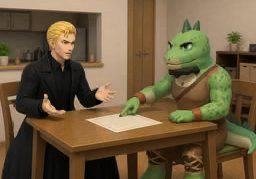
二人の間のすれ違いが、話し合いで解消されました。futa ri no aida no su re chiga i ga hana shi a i de kai shō sa re ma shi ta
The misunderstanding between them was resolved through discussion.
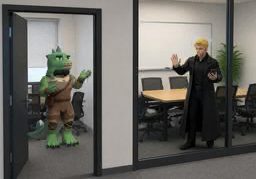
連絡の行き違いがありました。ren raku no i ki chiga i ga a ri ma shi ta
There was a misunderstanding in our communication.