


English–Japanese
“hometown” in Japanese

How to say “hometown” in Japanese
“Hometown” in Japanese is 出身 (shusshin).
Points to the place or group that forms a person's starting background rather than where the person is now.
Example sentences with 出身
私の出身は東京です。watashi no shus shin wa tō kyō de su
My hometown is Tokyo.
彼女は山形出身で、今は東京に住んでいます。kano jo wa yama gata shus shin de ima wa tō kyō ni su n de i ma su
She is from Yamagata and now lives in Tokyo.
Tips for using 出身
- English hometown often suggests a place where someone grew up, while 出身 (shusshin) can identify a person's broader regional background.
Other Japanese words for “hometown”

私の地元は静かな町です。watashi no ji moto wa shizu ka na machi de su
My hometown is a quiet town.
私の故郷は北海道です。watashi no ko kyō wa hok kai dō de su
My hometown is Hokkaido.
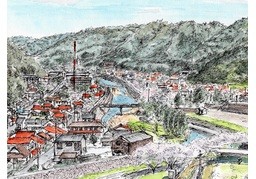
彼は郷土を離れて、東京で暮らしています。kare wa kyō do o hana re te tō kyō de ku ra shi te i ma su
He left his hometown and lives in Tokyo.

私は郷里を離れて十年になります。watashi wa kyō ri o hana re te jū nen ni na ri ma su
It has been ten years since I left my hometown.

あなたの出身地はどこですか?a na ta no shus shin chi wa do ko de su ka
Where is your hometown?

夏休みにふるさとへ帰ります。natsu yasu mi ni fu ru sa to e kae ri ma su
I go back to my hometown for summer vacation.