


English–Japanese
“gap” in Japanese
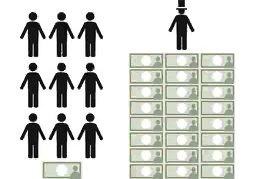
How to say “gap” in Japanese
“Gap” in Japanese is 格差 (kakusa).
Describes a measurable difference between people, groups, or levels, often with the sense that the difference creates unequal conditions.
Example sentences with 格差
所得の格差が社会の分断を深めるおそれがあります。sho toku no kaku sa ga sha kai no bun dan o fuka me ru o so re ga a ri ma su
Income disparities may deepen divisions in society.
Tips for using 格差
- In Japanese public discussion, 格差 (kakusa) often suggests an unequal gap, so it commonly appears in discussions of income, education, and social opportunity.
Other Japanese words for “gap”

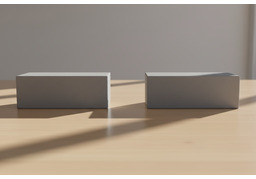
窓の隙間から風が入ります。mado no suki ma ka ra kaze ga hai ri ma su
Wind comes in through the gap in the window.

雲の切れ目から月が見えます。kumo no ki re me ka ra tsuki ga mi e ma su
The moon can be seen through a gap in the clouds.

二人の意見には大きな開きがあります。futa ri no i ken ni wa ō ki na hira ki ga a ri ma su
There is a big gap between their opinions.
世代間のギャップを埋める必要があります。se dai kan no gya ppu o u me ru hitsu yō ga a ri ma su
We need to bridge the generation gap.