


English–Japanese
“equal” in Japanese
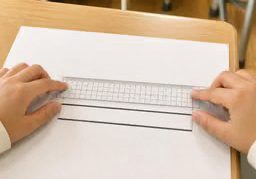
How to say “equal” in Japanese
“Equal” in Japanese is 等しい (hitoshii).
Describes two or more things as matching in value, degree, amount, or condition rather than merely resembling each other.
Example sentences with 等しい
三と三は等しいです。san to san wa hito shi i de su
Three and three are equal.
この二つの箱は、形は違いますが、重さは等しいです。ko no futa tsu no bako wa katachi wa chiga i ma su ga omo sa wa hito shi i de su
These two boxes have different shapes, but they weigh the same.
Tips for using 等しい
- 等しい (hitoshii) is common in mathematics and formal explanations, while 同じ (onaji) is more usual in everyday speech for the general sense of "the same".
Other Japanese words for “equal”
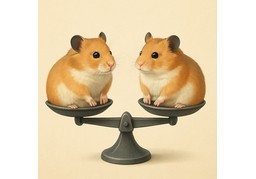
すべての人に平等な機会が必要です。su be te no hito ni byō dō na ki kai ga hitsu yō de su
Equal opportunities are needed for everyone.
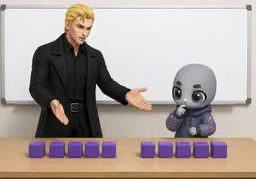
二つの値はイコールです。futa tsu no atai wa i kō ru de su
The two values are equal.