

Japanese Conversation · Level 61
75 words
Search Japanese words as written, in romaji or by English meaning.
Dictionaries
Quick links
Browse
 MotiSpiOfficial conversation app

Japanese word
Romajihitoshii
二本の線の長さは等しいです。ni pon no sen no naga sa wa hito shi i de su
The two lines are equal in length.
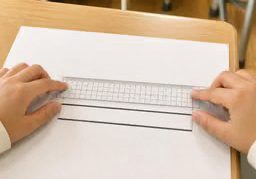
三と三は等しいです。san to san wa hito shi i de su
Three and three are equal.
この二つの箱は、形は違いますが、重さは等しいです。ko no futa tsu no bako wa katachi wa chiga i ma su ga omo sa wa hito shi i de su
These two boxes have different shapes, but they weigh the same.
Describes two or more things as matching in value, degree, amount, or condition rather than merely resembling each other.
等しい長さhito shi i naga sa
equal length
等しい数hito shi i kazu
equal numbers
等しい価値hito shi i ka chi
equal value
二つ以上の物事の数量・程度・価値などに差がなく、同じである。futa tsu i jō no mono goto no sū ryō tei do ka chi na do ni sa ga na ku ona ji de a ru
The native adjective 等しい (hitoshii) comes from 等し (hitoshi), meaning "equal" or "the same", followed by the adjective ending い (i).