


English–Japanese
“belongings” in Japanese
Japanese
Pronunciation
Romajimochimono
Example
私の持ち物はこのかばんに入っています。watashi no mo chi mono wa ko no ka ba n ni hai tte i ma su
My belongings are in this bag.
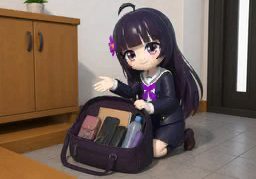
How to say “belongings” in Japanese
“Belongings” in Japanese is 持ち物 (mochimono).
It refers to the collection of things that belong to a person, especially those carried or kept nearby.
Example sentences with 持ち物
学校へ行く前に持ち物を準備します。gak kō e i ku mae ni mo chi mono o jun bi shi ma su
I prepare my belongings before going to school.
学校へ行く前に、必要な持ち物をそろえます。gak kō e i ku mae ni hitsu yō na mo chi mono o so ro e ma su
Before going to school, I gather the belongings I need.
Tips for using 持ち物
- In everyday Japanese, 持ち物 (mochimono) is useful for referring to personal items as a group when their owner or the situation is clear.