


English–Japanese
“being at a loss” in Japanese
Japanese
Pronunciation
Romajioteage
Example
この問題はお手上げです。ko no mon dai wa o te a ge de su
I am completely at a loss with this problem.
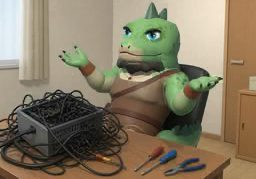
How to say “being at a loss” in Japanese
“Being at a loss” in Japanese is お手上げ (oteage).
Expresses the point at which a person has no effective way to act and must admit defeat.
Example sentences with お手上げ
何度試しても直らないので、私たちはお手上げです。nan do tame shi te mo nao ra na i no de watashi ta chi wa o te a ge de su
It will not work no matter how many times we try, so we are at a loss.
Tips for using お手上げ
- Unlike the English phrase "hands up," お手上げ (oteage) usually describes admitting that a problem cannot be solved or controlled rather than telling someone to raise their hands.