

JLPT · Level 61
45 words
Search Japanese words as written, in romaji or by English meaning.
Dictionaries
Quick links
Browse
 MotiSpiOfficial conversation app

Japanese word
Romajioteage
この問題はお手上げです。ko no mon dai wa o te a ge de su
I am completely at a loss with this problem.
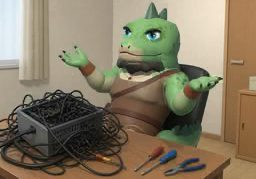
何度試しても直らないので、私たちはお手上げです。nan do tame shi te mo nao ra na i no de watashi ta chi wa o te a ge de su
It will not work no matter how many times we try, so we are at a loss.
Expresses the point at which a person has no effective way to act and must admit defeat.
お手上げになるo te a ge ni na ru
become unable to cope
手詰まりtezumari: A condition in which progress stops because no workable next step is found.
行き詰まりikizumari: A state in which progress or a plan stops because no way forward is found.
降参kōsan: An admission that one cannot win or continue resisting.
万事休すbanjikyūsu: A situation in which every possible measure has failed and nothing more can be done.
力や手段がなく、どうすることもできず、解決や対処をあきらめること。chikara ya shu dan ga na ku dō su ru ko to mo de ki zu kai ketsu ya tai sho o a ki ra me ru ko to
The noun お手上げ (oteage, "raising one's hands") comes from 手を上げる (te o ageru, "to raise one's hands"), a gesture that can signal surrender, and describes having no way to cope.